
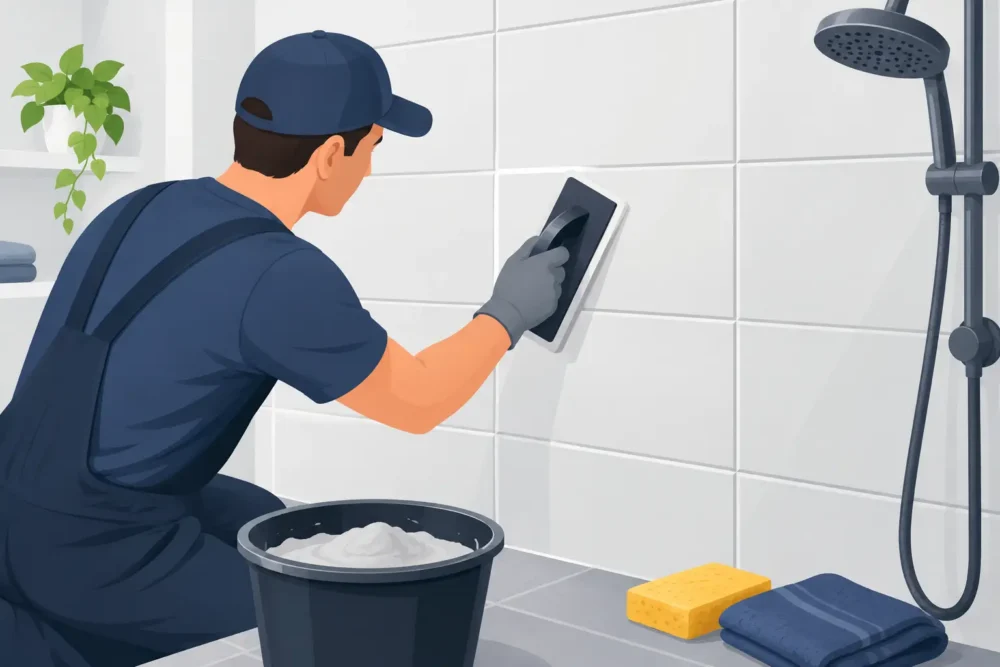
A shower can look older than it is when the grout lines turn dark, crack at the corners, or start disappearing between otherwise solid tile. For many Orlando homeowners, the first question is whether to regrout shower tile or whether those worn joints point to a larger shower problem. The answer depends on what is happening behind the surface, not just what is visible on it.
Fresh grout can make a tile shower look clean, cared for, and several years newer. It is also a practical repair when the tile is secure and the shower’s waterproofing system is still doing its job. But grout is not waterproof, and it cannot correct loose tile, a leaking pan, or water damage behind the walls. Knowing the difference can save money now and prevent a much larger bathroom repair later.
When Regrouting a Shower Makes Sense
Regrouting is a good option when the tile itself is firmly attached, the grout loss is limited, and there are no signs that water has reached the wall structure. Over time, daily cleaning, movement in the home, harsh cleaners, and normal shower use can wear grout down. In a frequently used bathroom, that wear may show up first in the lower wall areas, shower floor, and inside corners.
A proper regrouting project removes failed grout rather than simply spreading new material over the old joints. New grout needs clean, stable joint space to bond correctly. When the preparation is done well, the finished lines look more even and are easier to keep clean.
Regrouting can be especially worthwhile if you are refreshing a guest bath, preparing a home for sale, or extending the life of a shower that is otherwise in good condition. It is usually less disruptive and less expensive than replacing the entire surround. Still, it should be viewed as a surface repair, not a cure-all for every shower issue.
Signs Your Shower Needs More Than New Grout
Cracked or stained grout deserves attention, but certain warning signs call for a closer inspection before any repair begins. A beautiful new grout job will not last if the tile assembly below it is moving or holding moisture.
Watch for these four signs:
- Tile that sounds hollow, feels loose, or moves when pressed
- Repeated cracks in the same grout joints after prior repairs
- Soft drywall, peeling paint, staining, or a musty smell outside the shower
- Water escaping the shower, pooling at the curb, or appearing on a nearby ceiling
Caulked changes of plane matter, too. The vertical corners of a shower and the joint where wall tile meets the shower pan are designed to experience minor movement. These areas typically need flexible, mildew-resistant silicone caulk rather than rigid grout. If grout is used in those joints, it often cracks again because the materials cannot move independently.
For Orlando homes, moisture control deserves extra attention. Florida’s humidity does not cause a properly built shower to fail, but it can make lingering moisture, poor ventilation, and mildew issues more noticeable. A bathroom exhaust fan, regular cleaning, and allowing the shower to dry between uses all help protect grout and caulk.
How Professionals Regrout Shower Tile
A lasting result begins with assessment and preparation. The work is more detailed than scraping out a few loose spots and filling them in. First, the installer checks the tile for movement and looks for visible evidence of water intrusion. If the shower is stable, failed grout is carefully removed to a suitable depth without chipping tile edges or damaging the surface.
The joints are then cleaned of dust, soap residue, and loose material. This step affects how well the new grout bonds and how uniform the final color looks. The selected grout is installed, packed into the joints, shaped, and cleaned on the tile face before it cures. Once the grout has cured according to the product requirements, appropriate joints are caulked with a color-matched silicone product.
The type of grout matters. Cement-based grout is common and can perform well when installed and maintained correctly. It may need sealing, depending on the product. Epoxy grout offers strong stain resistance and low water absorption, but it costs more and requires careful installation because it sets quickly. The right choice depends on the tile, joint size, budget, and how heavily the shower is used.
A professional also knows when not to continue with regrouting. If moisture damage or loose tile is found during the evaluation, stopping to address the source is the responsible choice. That can mean targeted tile repair, rebuilding a failed shower base, or planning a full shower remodel if the system has reached the end of its service life.
Regrouting vs. Replacing Shower Tile
The decision often comes down to the condition of the installation and the homeowner’s goals. If you like the tile layout and color, the shower drains correctly, and the repair is limited to worn grout, regrouting is a sensible way to improve appearance without taking on a full renovation.
Replacement makes more sense when the tile is dated and you already want a different look, when repairs keep returning, or when water damage is suspected. It can also be a better investment if you are planning a bathroom renovation soon. Regrouting a shower shortly before demolition can add an unnecessary cost to the project.
A full shower update creates the opportunity to improve more than tile. Homeowners may choose a larger-format wall tile with fewer grout joints, a more accessible shower entry, a new niche for storage, a slip-resistant shower floor, updated fixtures, or a glass shower door. These details can make an older bathroom feel more open and much easier to use every day.
There is no one-size-fits-all answer. A carefully completed regrout can be the right budget-conscious repair. A full replacement can be the better long-term choice when the shower has underlying damage or no longer fits the home’s needs.
Caring for New Shower Grout
Once the repair is complete, simple habits can help protect it. Use a pH-neutral tile cleaner instead of harsh acidic products or abrasive powders that can weaken grout over time. Avoid leaving wet bottles, washcloths, and bath mats against tiled surfaces where moisture can stay trapped.
Running the exhaust fan during a shower and for a period afterward helps reduce humidity in the room. A quick squeegee on glass and wall tile is also useful, especially in a shower used by several people each day. Check caulk at corners, around fixtures, and along the shower base a few times a year. Replacing failed caulk early is much easier than waiting for water to find its way behind the tile.
If your grout is changing color again shortly after cleaning, crumbling in several areas, or cracking along the same lines, do not keep covering the problem. Ask for an in-person assessment of the tile, grout, caulk, and surrounding walls. A skilled tile contractor can help you decide whether a focused repair will protect your shower or whether it is time to make your bathroom extraordinary with an update built to last.
A shower should feel clean, secure, and easy to maintain each morning. Addressing worn grout at the right time keeps a small repair manageable and gives you a clearer path toward the bathroom you want.