
A bathroom floor can look beautiful in a showroom and still be the wrong choice once it meets wet feet, morning routines, dropped toiletries, and years of cleaning. Choosing bathroom floor tile is about more than finding a color you like. The right tile needs to feel secure underfoot, handle moisture well, work with the room’s size, and fit the budget without creating maintenance headaches later.
For Orlando homeowners updating an older bathroom, tile is often the practical choice. It stands up well to humidity, offers a wide range of styles, and can make a dated room feel clean, bright, and custom. The best option depends on how the bathroom is used and what needs to happen underneath the tile before installation begins.
Start With Safety and Water Resistance
A bathroom floor is a wet area, even in a bathroom with a good exhaust fan and a properly enclosed shower. Water finds its way outside the shower after baths, busy mornings, and everyday use. That makes traction one of the first things to consider.
Look for a floor tile with a matte, textured, or lightly patterned finish rather than a high-polish surface. Glossy tile can be attractive, especially in a small bathroom where it reflects light, but it may become slippery when wet. This does not mean every floor must have a rough texture. It means the finish should provide enough grip for the people using the space.
Smaller tiles can also help with traction because grout lines create additional grip. They are especially useful in shower floors, but they can work well in the main bathroom too. If someone in the household has mobility concerns, safety should lead the decision instead of being an afterthought.
Porcelain and ceramic are both reliable choices for most bathroom floors. Porcelain is denser and absorbs very little water, which makes it a strong option for high-use bathrooms. Ceramic is often more budget-friendly and comes in plenty of attractive styles, though the specific tile should be rated for floor use. Natural stone can create a high-end look, but it usually needs more care and periodic sealing. It is a great fit for some homes, but not always for homeowners who want the simplest upkeep.
Choosing Bathroom Floor Tile by Room Size
Tile size changes how a bathroom feels. A large-format tile can make a compact bathroom appear more open because there are fewer grout lines breaking up the floor. It also gives the room a clean, modern look that pairs well with simple vanities and large shower tile.
However, large tile is not automatically the best answer for every small room. A bathroom with several corners, a toilet alcove, or an uneven layout may require many detailed cuts. In that situation, a medium-format tile can look more balanced and reduce waste. The layout matters as much as the tile dimensions.
Small mosaic tile is another option, particularly for homeowners who want visual detail or a classic look. It works beautifully in historic-style bathrooms, on shower floors, and as an accent area. On a full bathroom floor, though, it creates more grout lines to clean. If low maintenance is a priority, consider using mosaic tile selectively rather than across the entire room.
Before buying tile, think about where full tiles will land. A professional installer can plan the layout so narrow cuts are kept out of highly visible areas whenever possible. Centering a pattern, aligning floor tile with a shower entry, and planning around the vanity all make a finished bathroom feel more intentional.
Choose a Color That Supports Everyday Living
Light tile can make a dark or narrow bathroom feel more open. Soft white, warm beige, light gray, and sandy tones remain popular because they work with many vanity colors and wall finishes. They can also help reflect natural and overhead light.
Dark tile adds contrast and can hide some everyday dirt, but it may show water spots, soap residue, and lighter-colored lint more easily. Very dark floors can feel dramatic in a larger, well-lit bathroom, while a smaller bathroom may benefit from a lighter floor and a darker shower accent instead.
Patterned tile is worth considering when a bathroom needs personality. A subtle geometric pattern can bring interest to a simple white shower or wood vanity without overwhelming the room. The trade-off is longevity of style. If you plan to stay in the home for many years, choose a pattern you genuinely enjoy. If resale flexibility is a major concern, a neutral main floor with personality in accessories, paint, or a backsplash-style accent may be the safer route.
Wood-look porcelain is a popular middle ground for homeowners who want warmth without putting real wood in a wet room. It can complement a traditional, coastal, or modern bathroom and is generally easier to maintain than natural wood flooring. Plank tile does require careful layout and leveling, especially with longer pieces, so installation quality matters.
Do Not Overlook Grout
Grout is a small detail with a big effect on how the floor looks and how much cleaning it requires. A grout color close to the tile color creates a calmer, more continuous appearance. A contrasting grout color highlights the shape of each tile and can make a simple layout more noticeable.
For a busy family bathroom, medium-tone grout is often a practical choice. Bright white grout can look crisp, but it may show discoloration sooner in high-traffic areas. Very dark grout can frame light tile beautifully, though it can also make residue more visible if cleaning products leave a film.
Grout width should match the tile and the overall design. Rectified porcelain tile, which has precisely cut edges, can often use narrower joints for a modern look. Handmade-look tile and uneven natural materials generally need wider joints. The goal is not the smallest possible grout line. The goal is a floor that allows proper installation and looks right for the material.
Budget for the Whole Floor, Not Just the Tile
The price on a tile sample is only one part of the project. A finished bathroom floor may also require removal of old flooring, disposal, subfloor repairs, leveling work, waterproofing in needed areas, underlayment, mortar, grout, trim, and professional installation.
This is where homeowners can make a smarter decision by separating the material budget from the project budget. An inexpensive tile may not save money if it needs more complicated installation or if the existing floor needs significant preparation. On the other hand, a moderately priced porcelain tile can deliver a polished result and dependable performance for years.
Always order extra tile for cuts, breakage, and future repairs. The amount varies with the room shape, tile size, and pattern. Diagonal layouts, herringbone patterns, and rooms with many angles usually require more overage than a straightforward grid. Keeping a few spare tiles after the project is complete can be helpful if a repair is ever needed.
The Floor Beneath the Tile Matters
Even the best bathroom floor tile can fail if it is installed over an unstable or uneven surface. Cracked grout, loose tiles, and lippage, where tile edges do not sit evenly together, are often signs that preparation was rushed or the subfloor had problems that were not addressed.
Before tile goes down, the installer should evaluate the condition of the existing floor and determine whether it is flat, clean, and stable enough for tile. In older Orlando homes, previous remodels can leave behind layers of flooring or uneven areas that need correction. This part of the job is not always visible after installation, but it directly affects how long the finished floor lasts.
A bathroom renovation also creates an opportunity to coordinate the floor with the shower, vanity, and wall tile. Work Tile LLC helps homeowners make these decisions with the full room in mind, so the materials feel connected rather than selected one piece at a time.
Bring Samples Into the Bathroom Before You Commit
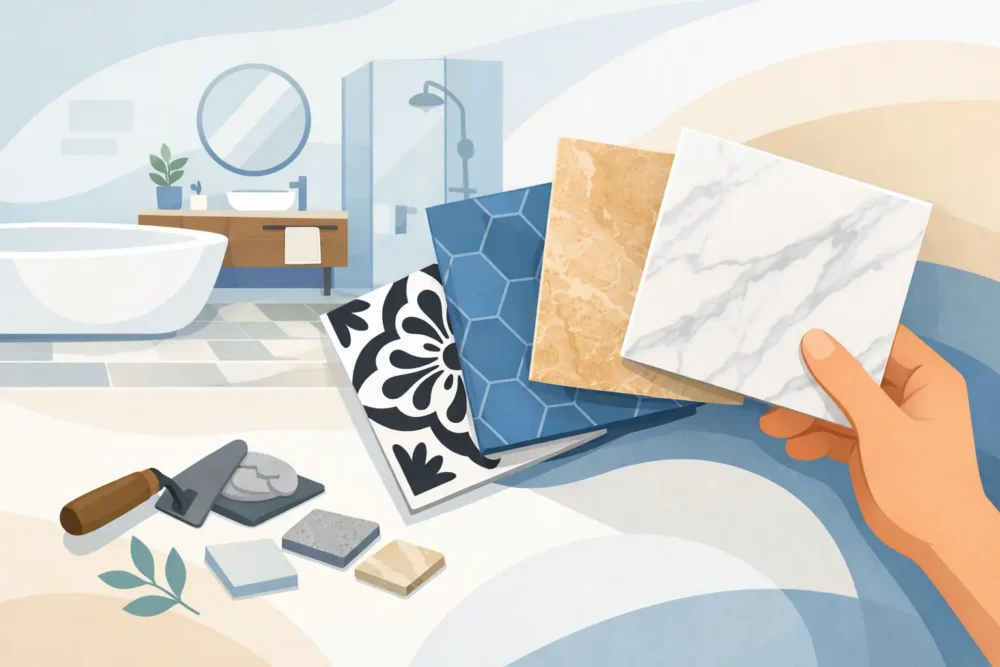
A tile can look completely different under store lighting than it does in your home. Bring home several samples and view them in the bathroom during the morning, afternoon, and evening. Hold them next to the vanity, paint color, shower wall tile, and fixtures.
Pay attention to undertones. A gray tile may lean blue, green, or beige. White tile may feel bright and cool or soft and warm. These differences become more noticeable once the entire floor is installed.
The best bathroom floor is one that fits the way your household lives while giving the room the finished look you want. Choose a tile you can maintain comfortably, pair it with sound floor preparation, and let the details support a bathroom you will enjoy using every day.